If you’ve been thinking about eating a more plant-based diet, you’ve probably wondered whether it’s a good fit for PCOS.
Maybe you’ve heard that eating more plants can help reduce inflammation and improve your overall health. But then you come across social media posts warning that vegan diets are “too high in carbs” for PCOS, leaving you wondering what to believe.
The truth is, a vegan diet can absolutely be a healthy and nourishing way to eat if you have PCOS. In fact, a well-planned plant-based diet naturally includes foods we encourage for PCOS, like vegetables, beans, lentils, whole grains, nuts, and seeds.
These foods are packed with fiber and other nutrients that can support blood sugar management, heart health, and overall well-being.
At the same time, simply cutting out animal products doesn’t automatically make a diet supportive of PCOS.
Like any eating pattern, a vegan diet can be well balanced or it can leave you missing key nutrients, falling short on protein, or relying heavily on highly processed foods that don’t leave you feeling your best.
The good news? You don’t have to choose between eating vegan and supporting your hormones.
With a little planning, it’s absolutely possible to build satisfying, balanced meals that fit your values while helping you manage common PCOS symptoms like insulin resistance, cravings, low energy, and weight changes.
In this article, I’ll walk you through what the research says about following a vegan diet for PCOS, the potential benefits and challenges to be aware of, and practical tips to help you build meals that leave you feeling nourished, energized, and confident.
Let’s dive in!
Understanding PCOS and What Nutrition Needs to Support
Before we talk about vegan eating specifically, it helps to zoom out for a moment and look at what we’re trying to support with nutrition interventions when it comes to PCOS.
Polycystic Ovary Syndrome isn’t just a reproductive condition — it also has a metabolic side to it. That means food doesn’t just influence hormones in a vague way; it can directly impact things like energy, cravings, and blood sugar patterns.
Most of the time, nutrition strategies for PCOS are focused on a few key areas:
- Supporting more stable blood sugar and insulin response
- Helping manage androgen levels (which can show up as acne, unwanted hair growth, or irregular cycles)
- Reducing low-grade inflammation that can contribute to fatigue and metabolic stress
- Supporting steady energy levels and more predictable hunger and fullness cues
Not everyone with PCOS experiences all of these in the same way.
Some people notice blood sugar changes most strongly, while others feel it more through energy crashes, cravings, or skin and cycle changes. And for many, it’s a bit of everything showing up together in different seasons.
This is why PCOS nutrition can feel confusing if you’re looking for one “perfect” approach it rarely exists.
Instead, what tends to make the biggest difference over time is building a way of eating that gently supports stability.
Not restriction. Not perfection.
Just more consistency in how your body experiences fuel, so things like energy, appetite, and hormones have a steadier foundation to work from.
Can a Vegan Diet Work for PCOS?
Yes — it absolutely can when it’s thoughtfully planned.
A well-structured vegan diet can fit really well within PCOS nutrition goals.
Plant-based eating patterns suggest potential benefits for metabolic health, including improved insulin sensitivity and reduced inflammation. Both of these are especially relevant when you’re managing Polycystic Ovary Syndrome.
But here’s where things often get misunderstood.
Not all vegan diets are the same.
There’s a big difference between a diet built around whole, nutrient-dense plant foods and one that just happens to be vegan but relies heavily on refined carbs, packaged snacks, and meals that are low in protein.
From a PCOS perspective, those details matter a lot more than whether or not animal products are included.
When protein is low, meals tend to feel less satisfying. When fibre and fat aren’t balanced, blood sugar can feel more unpredictable. And when most of your intake is coming from highly processed vegan foods, it can become harder to feel steady energy throughout the day.
This is why some people try a vegan diet for PCOS and feel amazing… while others feel more tired, hungrier, or frustrated and assume the diet “doesn’t work for them.”
Often, it’s not the vegan diet itself, it’s the structure behind it.
A PCOS-supportive vegan approach is less about what you’re removing, and much more about what you’re consistently including. Think protein at meals, balanced blood sugar support, and meals that actually leave you feeling full and energized.
The shift from restriction to structure is usually what makes the biggest difference.
Potential Benefits of a Vegan Diet for PCOS
When a vegan diet is built with intention it can offer some real advantages for people managing PCOS.
One of the biggest potential benefits is improved blood sugar regulation.
Plant-based diets are naturally higher in fibre, which slows digestion and can help blunt sharp rises and falls in blood sugar after meals.
For PCOS, where insulin resistance or blood sugar sensitivity is common, this steadying effect can make a noticeable difference in things like energy, cravings, and how long you stay full after eating.
Another area where a well-planned vegan diet may help is inflammation.
Plant foods are rich in antioxidants and polyphenols, compounds that support the body’s natural anti-inflammatory processes.
While inflammation isn’t the only factor in PCOS, it can influence how you feel day to day, including energy levels, recovery, and overall metabolic health.
There’s also the impact on digestion and gut health.
A higher intake of fibre-rich foods like legumes, whole grains, fruits, vegetables, nuts, and seeds supports a more diverse gut microbiome.
And while the gut–hormone connection is still an evolving area of research, we know that gut health plays a role in overall metabolic regulation and immune function.
And finally, something that often gets overlooked: satisfaction and fullness.
When a vegan diet is well structured, meals tend to be rich in volume and fibre, which can help with appetite regulation.
This isn’t about eating less, it’s about feeling more physically satisfied after meals, which can indirectly support more stable eating patterns throughout the day.
It’s important to say, though, that these benefits don’t automatically happen just because a diet is vegan.
They show up when the diet is built in a way that consistently supports your body, especially when protein is prioritized, meals are balanced, and you’re not relying heavily on ultra-processed vegan foods to get through the day.
Which is why the “how” matters just as much as the “what.”
Challenges of a Vegan Diet for PCOS (and How to Work With Them)
Any time we talk about a vegan diet in the context of PCOS, it’s important to be honest about where things can feel a little trickier, not because the approach is “bad,” but because it does require a bit more intention.
The good news is that none of these challenges are dealbreakers. They’re more like small nutritional “pressure points” that you simply learn how to work with.
Let’s walk through them.
Protein
One of the most common things I see with vegan eating patterns is simply not getting enough protein at meals. And this matters more than people think.
Protein plays a key role in:
- Supporting more stable blood sugar
- Helping you feel satisfied after meals
- Reducing cravings and constant hunger signals
When meals are lower in protein, it’s not uncommon to feel like you’re getting hungry again quickly, or like your energy rises and falls more throughout the day.
Over time, that can make PCOS symptoms feel harder to manage.
The goal here isn’t to overthink protein, it’s just to make sure it’s showing up consistently, not occasionally.
Carbohydrates
Plant-based diets naturally include a lot of carbohydrates from foods like grains, fruit, and legumes. And just to be clear, these are all nutritious foods and absolutely have a place in a PCOS-supportive diet.
The challenge comes when they start forming the majority of the meal without enough protein or fat alongside them.
That’s when things can feel a little less stable, especially if insulin resistance is part of your PCOS picture.
This doesn’t mean you need to fear carbs or cut them back dramatically. It simply means meals tend to feel better when they’re balanced, rather than carb-forward by default.
Think: energy that lasts, instead of energy that spikes and fades.
Key Nutrients That Need Attention
With a vegan diet, there are also a handful of nutrients that require a bit more planning. Not because the diet is lacking overall, but because these nutrients are harder to get in sufficient amounts without animal products.
The main ones to be aware of include:
- Vitamin B12 (this one is essential and needs to be supplemented)
- Iron (especially important to monitor if you experience fatigue)
- Zinc (supports skin, immune health, and hormone function)
- Omega-3 fatty acids (important for inflammation balance)
- Vitamin D (particularly relevant in Canada, especially during winter months)
This isn’t meant to feel overwhelming, it’s more about awareness than perfection. Most of these can be supported with a combination of smart food choices and targeted supplementation when needed.
Key Nutrition Strategies for a Vegan PCOS Diet
At this point, you might be thinking, “Okay, I understand the why, but what does this actually look like day to day?”
This is where things start to come together in a really practical way.
When supporting PCOS on a vegan diet, the goal isn’t to follow complicated rules. It’s really about building a few simple patterns into your meals that help your body feel more stable and supported.
Build Every Meal Around Protein
If there’s one shift that makes the biggest difference on a vegan PCOS approach, it’s this one.
Instead of thinking about protein as something you “add in” sometimes, it helps to think of it as the foundation of your meal.
When protein is consistently included, everything else tends to fall into place a little more easily — energy feels steadier, cravings are less intense, and meals are more satisfying overall.
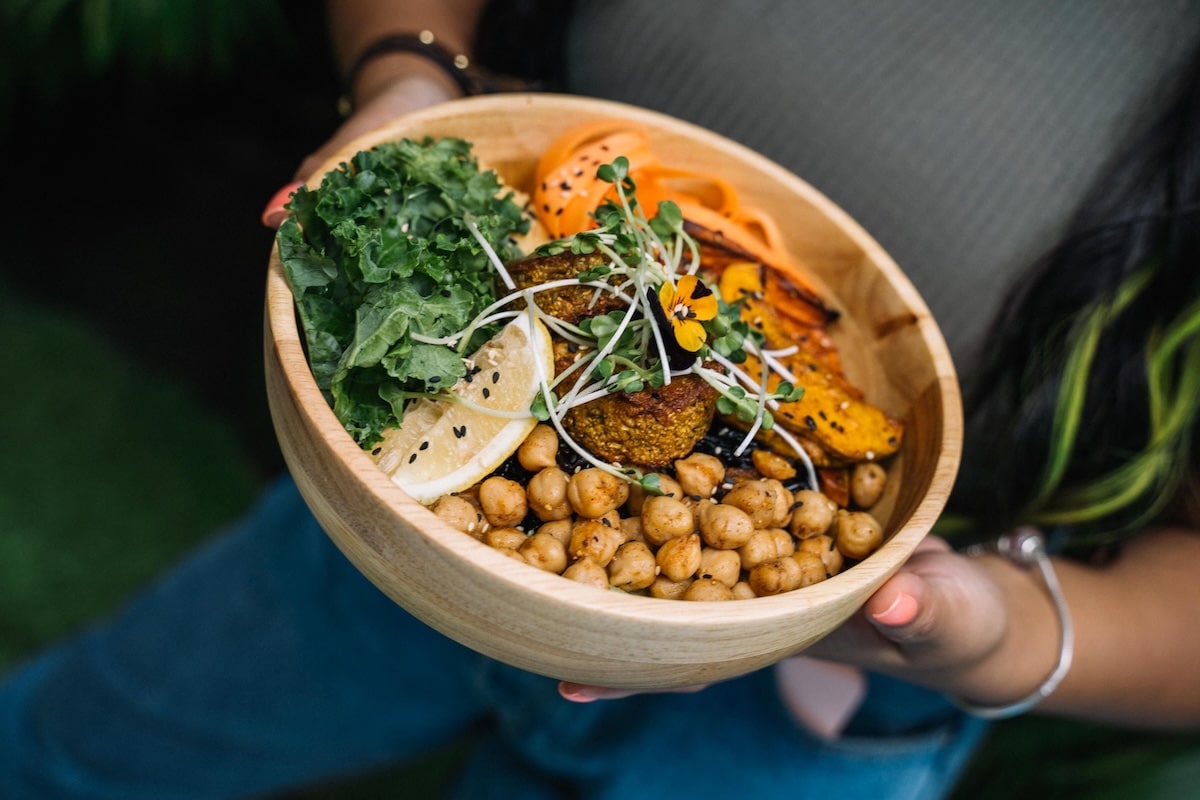
This might look like tofu or tempeh as the centre of a stir fry, lentils or chickpeas forming the base of a bowl or salad, or even something simple like soy milk or soy yogurt becoming a regular part of your breakfast.
And on busier days, plant-based protein powders can be a helpful support rather than something you rely on all the time.
It doesn’t need to be complicated, but it does need to be consistent.
Use a Simple Plate Formula
Once protein is in place, the next step is simply learning how to build a balanced plate without overthinking it.
A helpful way to think about it is to aim for a combination of protein, fibre-rich carbohydrates, and healthy fats at most meals. When these three pieces come together, digestion tends to slow down in a way that supports more stable blood sugar and longer-lasting energy.
So instead of a meal that’s mostly one thing — like just oats or just pasta — you’re gently rounding it out so your body has a steadier source of fuel to work with.
Choose Carbohydrates That Keep You Fuller for Longer
Carbohydrates absolutely have a place in a PCOS-supportive vegan diet. The key is choosing ones that come with fibre and staying power.
Foods like oats, quinoa, lentils, chickpeas, berries, and sweet potato tend to work really well here because they digest more slowly and pair naturally with both protein and fat.
And just to be really clear, you don’t need to remove carbs or fear them. The goal is simply to choose ones that support your energy instead of working against it.
Don’t Underestimate Healthy Fats
Healthy fats often get less attention, but they play an important role in both satiety and overall hormone support.
They help meals feel more complete, slow down digestion, and contribute to that sense of lasting fullness that can make a big difference in how your day feels.
This might come from foods like chia seeds or flaxseeds stirred into breakfast, walnuts added to a snack or salad, avocado in a bowl or wrap, or olive oil used as part of cooking or dressings.
Like everything else, it’s not about adding more complexity, it’s about small, consistent pieces that help your meals feel more balanced and satisfying.
What a Vegan PCOS Day of Eating Can Actually Look Like
Sometimes it’s easier to understand how everything fits together when you see it in real life, rather than thinking about nutrients in isolation.
So instead of over-explaining, let’s pull everything we’ve talked about into a simple day of eating.
Breakfast
In the morning, the goal is having something that feels grounding and steady, especially if you tend to wake up hungry or experience mid-morning crashes.
This might look like a bowl of overnight oats made with soy milk, stirred with chia seeds, and topped with berries. It’s simple, but it brings together fibre, protein, and fats in a way that helps set the tone for the rest of your day.
Or on days when you want something warm and savoury, a tofu scramble cooked with vegetables and served alongside avocado can feel more satisfying and energizing, especially if you don’t do as well with sweeter breakfasts.
Lunch
Lunch is often where energy either holds steady or starts to dip, so balance really matters here.
A lentil and quinoa bowl with olive oil dressing is a great example of a meal that’s both filling and supportive without feeling heavy. It brings together protein, complex carbohydrates, and healthy fats in a really natural way.
Another option might be a chickpea salad wrap with leafy greens, which is simple but still structured enough to keep you feeling full and focused through the afternoon.
Dinner
By dinner, most people are looking for something comforting but still nourishing enough to avoid that “hungry again an hour later” feeling.
A tempeh stir fry with mixed vegetables and brown rice can be a really easy go-to here. It’s flexible, flavourful, and naturally balanced when you include a good source of protein and a mix of vegetables.
Or something like a black bean chili topped with avocado and herbs can feel grounding and satisfying, especially on colder days when you want something warm and hearty.
Snacks
Snacks can actually play a really helpful role in keeping energy steady throughout the day, especially if meals are spaced further apart.
Something as simple as an apple with peanut butter, soy yogurt with flaxseed and berries, or roasted chickpeas can help bridge the gap between meals without creating big swings in blood sugar or energy.
What matters most here isn’t following this exactly, it’s noticing the pattern.
When meals consistently include protein, fibre, and healthy fats in a way that feels satisfying, everything tends to feel a little more stable.
Do You Need Supplements on a Vegan PCOS Diet?
This is a really common question and an important one.
The short answer is yes. There are a few nutrients that are difficult (or in some cases impossible) to consistently get from food alone on a vegan diet.
Vitamin B12
Vitamin B12 is the one nutrient that really does need to come from a supplement on a vegan diet.
There’s no reliable plant-based food source for vitamin B12.
So rather than trying to “work around” it, it’s better to think of B12 as a foundational part of vegan nutrition. Something that simply sits alongside your diet, not something you try to replace with food.
Vitamin D
Vitamin D is another common consideration, particularly if you live somewhere like Canada where sun exposure is limited for much of the year.
Even outside of vegan diets, many people are low in vitamin D, so supplementation is often helpful. In a vegan pattern, it just becomes even more important to be intentional about it.
Omega-3s
Omega-3 fatty acids are another nutrient to think about, especially the forms DHA and EPA, which are typically found in fatty fish.
For a vegan diet, algae-based omega-3 supplements are often used to help bridge this gap in a direct and reliable way.
Iron
Iron is a bit more individualized.
Some people are able to meet their needs through food alone, while others may struggle — especially if they already experience fatigue or have lower iron stores on blood work.
So rather than assuming supplementation is needed, this is usually something that’s guided by symptoms and lab results when working with your care provider.
Inositol
Inositol is a bit different, because it’s not tied specifically to vegan nutrition — but it often comes up in conversations about PCOS more broadly.
Some people find it supportive for cycle regularity, insulin sensitivity, or ovulation, depending on their individual needs and goals.
It’s not something everyone needs, but it can be a helpful tool in the bigger picture of managing PCOS symptoms.
The most important thing to understand is that supplements aren’t there to “patch up” a vegan diet.
They’re simply there to support a few predictable nutritional gaps so your overall pattern feels complete, steady, and sustainable.
Who May Need Extra Support With a Vegan PCOS Diet?
There’s no one “right” way to eat for PCOS, and that includes plant-based eating. What works best is always the approach that feels sustainable, supportive, and realistic for your body and your life.
That said, there are a few situations where a vegan diet may benefit from a bit more individualization or extra support to make sure it’s meeting your needs well.
This might be the case if you find yourself struggling to eat enough overall during the day, or if getting enough protein consistently feels like a challenge.
It can also be more important to take a closer look at meal structure if you’re dealing with more significant insulin resistance, where balanced meals tend to play a bigger role in energy stability.
For some people, past or present experiences with disordered eating can also make highly structured or restrictive-feeling diets harder to navigate, which is something worth honouring rather than pushing through.
And sometimes, it’s less about physiology and more about how the diet feels day to day. If a vegan approach starts to feel overly restrictive, stressful, or difficult to maintain, that’s important information too.
None of this means a vegan diet “won’t work.” It simply means that support, adjustments, or a more flexible approach may be helpful so that your way of eating actually fits your life, not just your intentions.
Because at the end of the day, the most effective nutrition approach is the one you can maintain in a way that supports your energy, your relationship with food, and your overall wellbeing — not just your short-term goals.
The Bottom Line
A vegan diet can support PCOS symptom management when it’s built with intention and a bit of structure.
What really matters is that your nutrition is supporting your body’s needs. With PCOS, that usually comes down to a steady foundation of protein, fibre, healthy fats, and the key nutrients your body relies on day to day.
When those pieces are in place, a plant-based approach can feel surprisingly grounding. Many people notice more stable energy, fewer blood sugar swings, and a sense that their meals actually hold them for longer.
But just as importantly, it should feel livable.
Because the most supportive way of eating is never the one that looks perfect on paper — it’s the one that you can realistically sustain in a way that helps you feel more like yourself.
FAQs
Can a vegan diet help PCOS symptoms?
Yes, it can, especially when it’s well planned and balanced.
A vegan diet may support areas like insulin sensitivity, inflammation, and overall metabolic health, which are often relevant for PCOS.
The key factor isn’t simply whether the diet is vegan, but whether it consistently includes enough protein, fibre, and overall balance to support your body’s needs.
Is soy good for PCOS?
For most people, yes.
Soy foods like tofu, tempeh, edamame, and soy milk can be a helpful part of a PCOS-supportive diet. They provide high-quality plant-based protein and are not shown to negatively impact hormone balance in typical dietary amounts.
In fact, they can often make vegan eating easier by helping meals feel more satisfying and structured.
Do vegans with PCOS need supplements?
Yes, in most cases a few key supplements are recommended.
Vitamin B12 is essential on a vegan diet, and nutrients like vitamin D and omega-3 fatty acids are commonly supplemented as well. Depending on the individual, iron and other nutrients may also need attention based on symptoms or lab work.
The goal isn’t to over-supplement — it’s simply to fill in predictable gaps so your overall nutrition feels complete.
Can you lose weight with PCOS on a vegan diet?
Yes, it is possible, but it’s not really about the diet label itself.
Weight changes with PCOS are influenced much more by overall patterns like energy intake, protein consistency, blood sugar stability, sleep, and stress than by whether or not animal products are included.
A well-structured vegan diet can support these factors, but it’s the overall balance that tends to make the biggest difference over time.

Madison is a Registered Dietitian and Certified Diabetes Educator passionate about helping women with PCOS navigate nutrition with confidence. Through science-backed nutrition and lifestyle strategies, she shares practical, sustainable approaches to support hormone health, blood sugar balance, and a healthier relationship with food — one meal at a time.